Why IEC 80005 matters for shore power
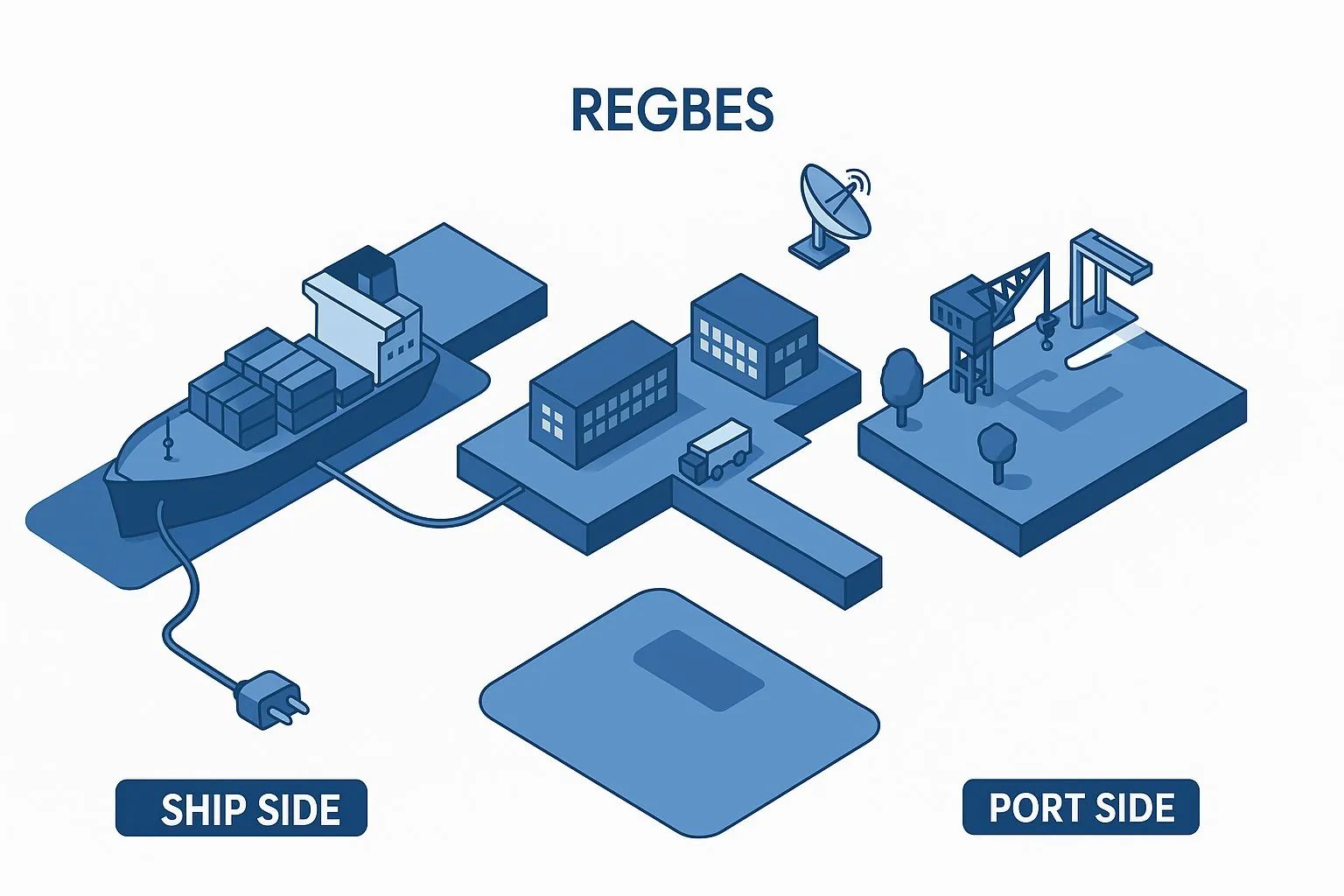
Shore power — or onshore power supply (OPS) — allows vessels to connect to the port grid while at berth, switching off their auxiliary engines and reducing emissions. But connecting a ship to a port grid is not as simple as plugging in a cable. The voltages, plug standards, and connection procedures vary by vessel type, and getting them wrong creates safety risks and equipment damage.
The IEC 80005 series was developed to standardise shore power connections across the maritime industry. It defines the technical requirements for the shore-side and ship-side equipment, the plugs and sockets, the interlocking and safety systems, and the communication protocols that ensure a safe and reliable connection.
IEC 80005 is a three-part standard — each part covers a different voltage class and vessel category. Knowing which part applies to your vessel is the starting point for any OPS specification.
The three parts of IEC 80005
IEC 80005-1 — High voltage shore connection systems
IEC 80005-1 covers high voltage shore connections — typically above 1 MVA. It applies to larger commercial vessels including container ships, cruise ships, Ro-Pax vessels, bulk carriers, and tankers. The standard specifies the requirements for HV shore connection systems at voltages of 6.6 kV and 11 kV.
- Vessel types: container ships, cruise ships, Ro-Pax, bulk carriers, tankers, LNG carriers
- Voltage class: HV — 6.6 kV or 11 kV
- Power range: typically above 1 MVA
- Plug standard: IEC 62613-2
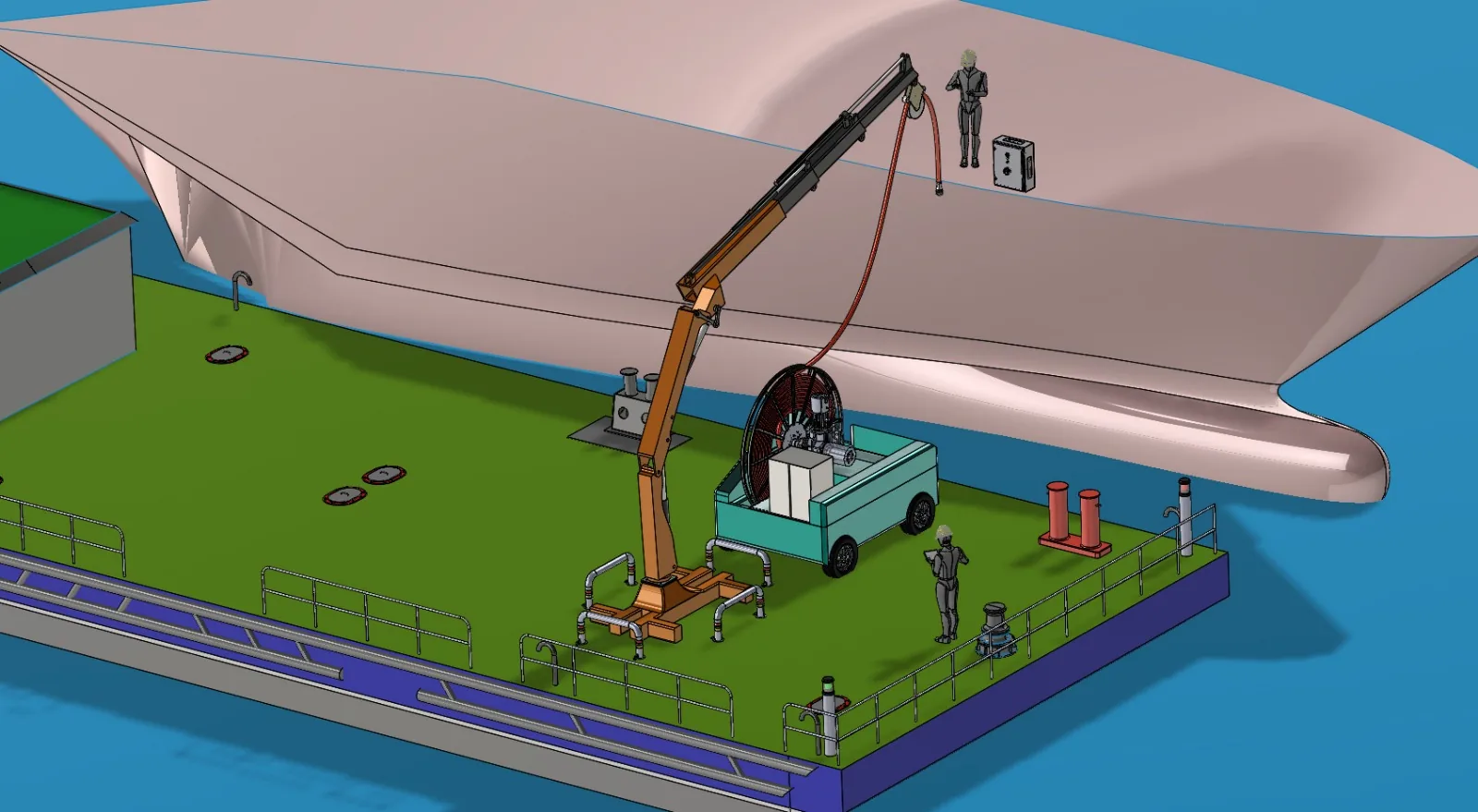
Shore power connection diagram — IEC 80005-1 high voltage configuration
IEC 80005-2 — Inland navigation vessels
IEC 80005-2 covers shore connection systems specifically for inland navigation vessels — barges, river vessels, and inland waterway craft. It addresses the specific characteristics of inland ports and waterway berths, which differ from deepwater commercial ports in terms of infrastructure, vessel size, and connection geometry.
IEC 80005-3 — Low voltage shore connection systems
IEC 80005-3 covers low voltage shore connections — typically below 250 A per cable at 400V, 440V, or 690V. It applies to smaller commercial vessels and some offshore vessel categories where LV connection is sufficient. Also used for electric tugs, workboats, and smaller ferry operations.
- Vessel types: offshore supply vessels, electric tugs, smaller ferries, harbour craft
- Voltage class: LV — 400V, 440V, or 690V
- Current: up to 250A per cable
How REGBES products map to the standards
All REGBES cable management systems and charging interfaces are designed to comply with the applicable IEC 80005 standard for the target vessel type. The Compact Mobile CMS and Modular Mobile CMS are configured to IEC 80005-1 for large commercial vessels. The Manual Charging Hub uses IEC 80005-3 standard connectors for smaller vessel applications.
For projects where standard selection is unclear — for example, mixed-fleet terminals serving both HV and LV vessels — REGBES provides system scoping support to confirm the right specification before manufacture.