Products · Autonomous Systems

Autonomous Robotic Shore-to-Ship Charging Interface

Designed for e-ferries and electric tugs where turnaround time is measured in minutes — the REGBES robotic interface connects automatically, every time, without manual cable handling.

IEC 80005-1 compliant Image-processing guided Zero manual handling E-ferries · Electric tugs
REGBES autonomous shore-to-ship charging interface
The challenge
Electric vessels charge fast. Manual cable connection doesn't.

E-ferries and electric tugs operate on tight turnaround schedules — often less than 10 minutes at berth. Manual connection of high-voltage shore power cables is slow, physically demanding, and operationally inconsistent. Missed connections mean missed charging windows. The REGBES autonomous interface solves this by removing the manual step entirely — the system detects, aligns, and connects without operator intervention, every departure cycle.

< 10 min
Typical e-ferry turnaround window at berth
0
Manual handling steps with autonomous interface
Every cycle
Consistent, reliable connection — regardless of tide or vessel position
How it works
Three steps. Fully automatic.

From vessel arrival to shore power connected — the REGBES autonomous interface handles the entire connection process without operator intervention.

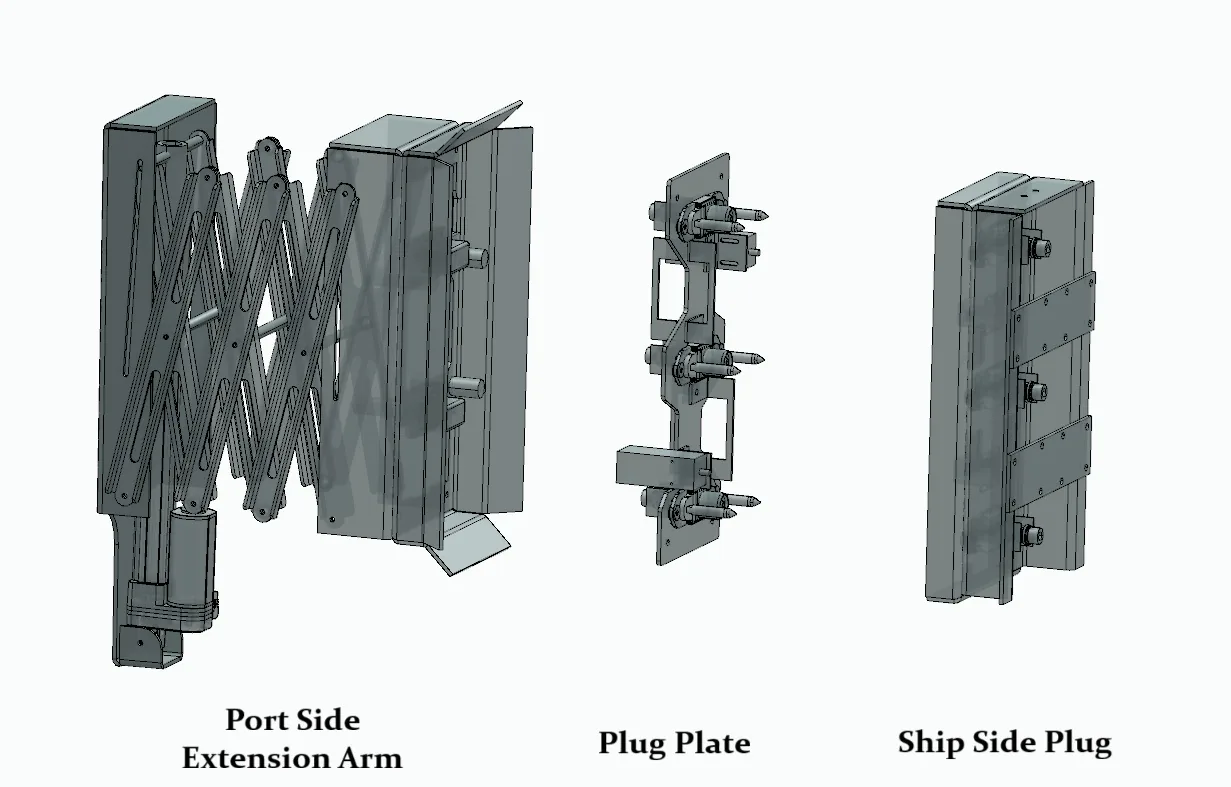
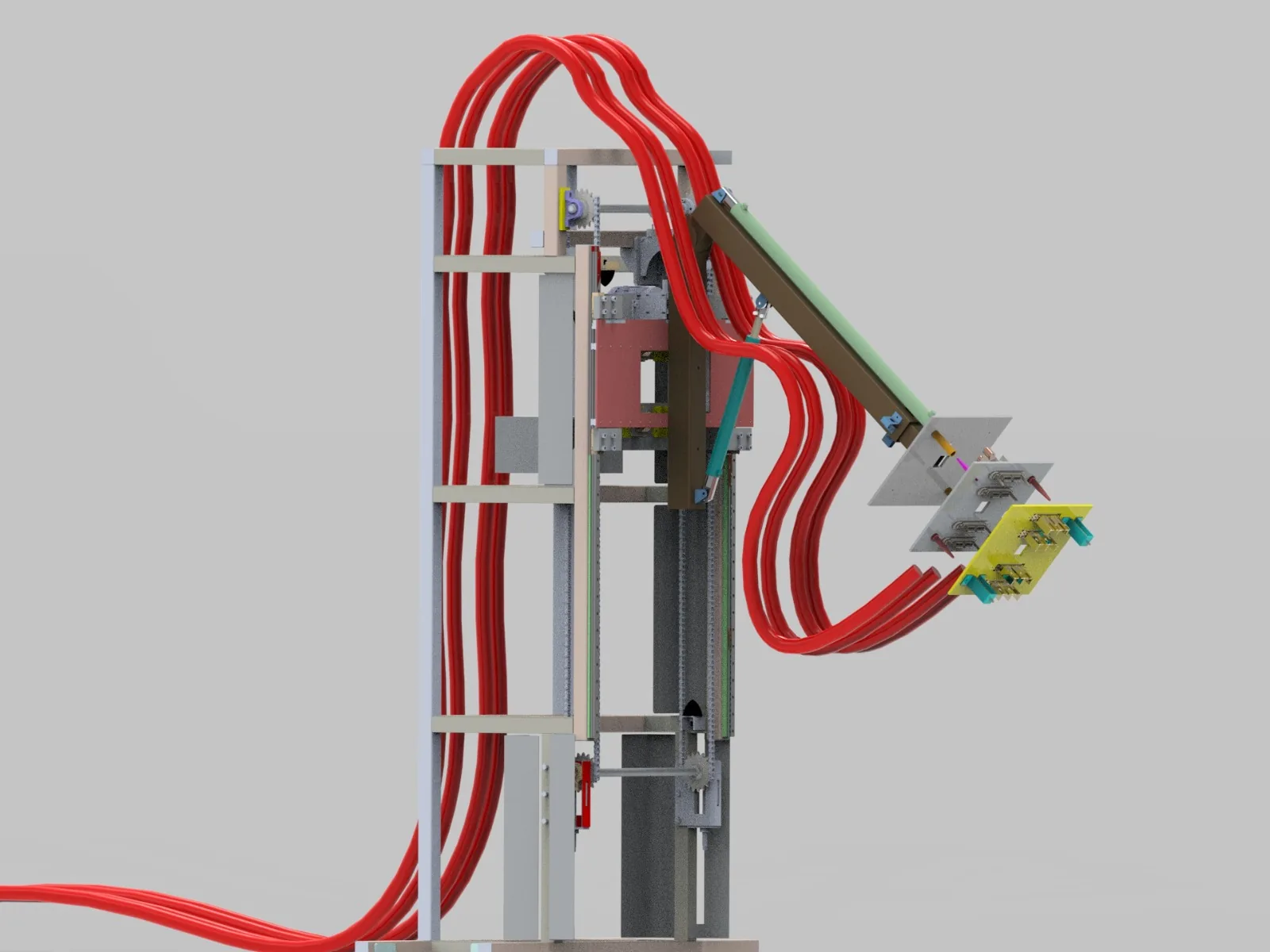
REGBES autonomous interface components — port side extension arm, plug plate, and ship side plug
Step 01
Vessel detected — system ready

As the vessel approaches the berth, the interface enters standby. The image-processing system begins monitoring the vessel hull and connection point in real time, accounting for tide, drift, and vessel position variation.

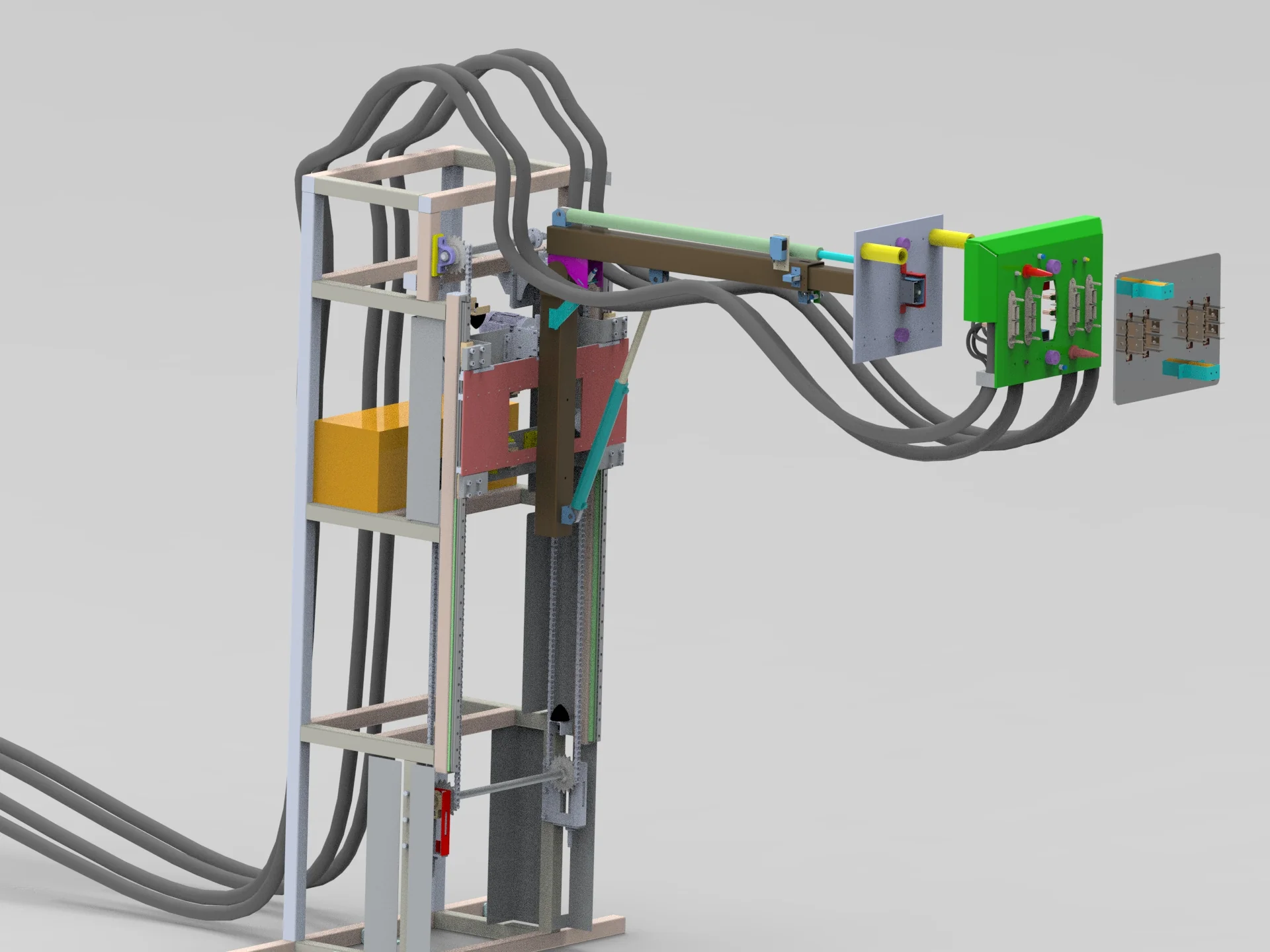
REGBES autonomous charging interface with arm fully extended — alignment phase
Step 02
Alignment — robotic arm deploys

The robotic arm extends and aligns with the vessel's shore power inlet using continuous image-processing feedback. The system compensates for movement in real time, guiding the plug head to the correct position regardless of berth layout or plug standard.

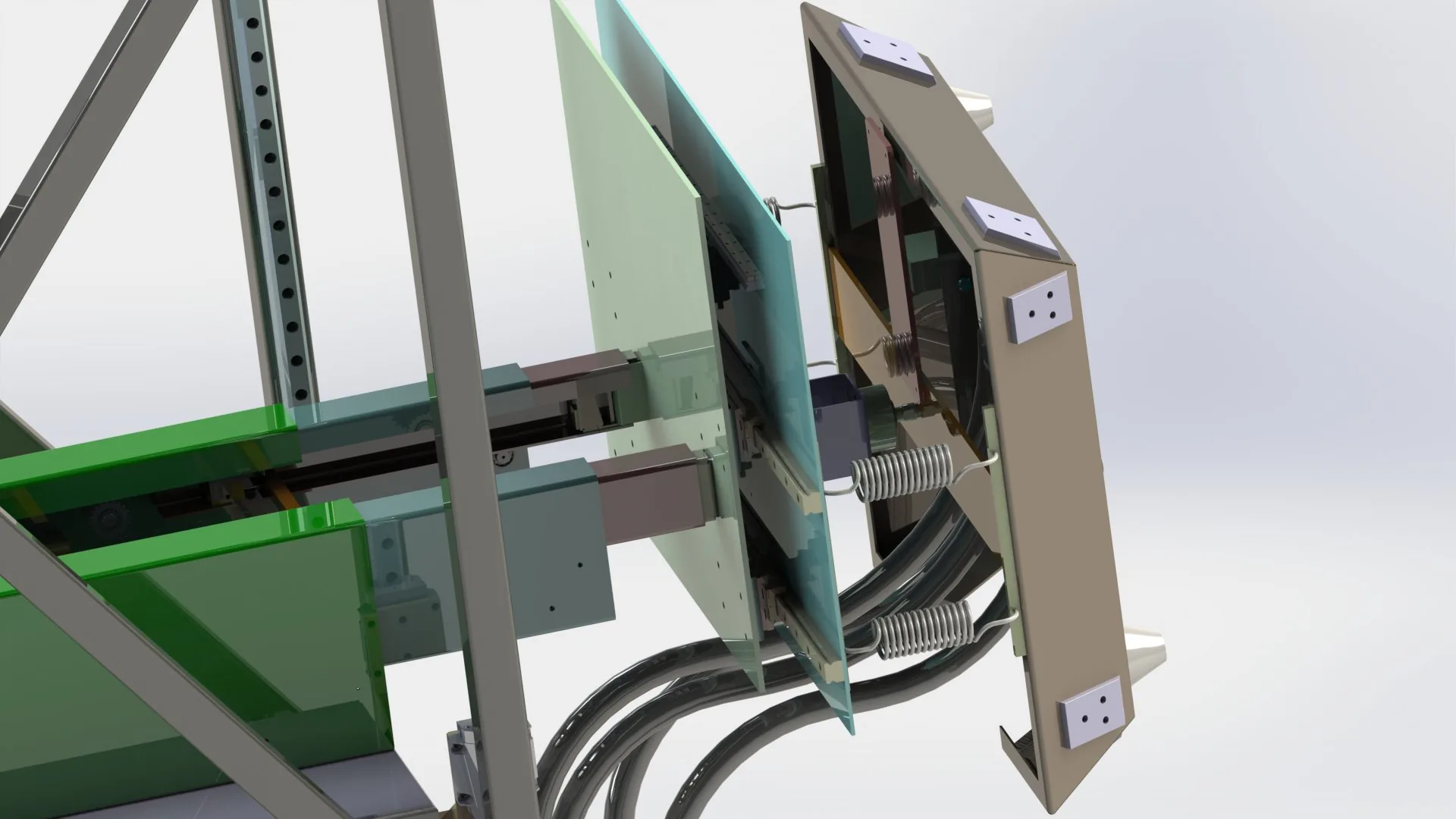
REGBES autonomous interface plug head engaged — shore-to-ship connection complete
Step 03
Connected — charging begins

The plug engages and shore power transfer begins. The system monitors the connection throughout the charging cycle and disconnects safely when the vessel is ready to depart — fully automated, no operator required at any stage.

Key benefits
Built for operations that can't afford delays
Maximises charging time within the turnaround window

Automatic connection begins the moment the vessel is in position — no waiting for an operator. Every available minute of turnaround time is used for charging, not handling.

Eliminates manual handling of high-voltage cables

Shore power cables carrying high currents are heavy and physically demanding to handle. Removing the manual step eliminates the associated injury risk and reduces operator fatigue across multiple daily cycles.

Consistent connection — regardless of conditions

Tidal variation, vessel drift, and berth layout differences that complicate manual connection are handled automatically by the image-processing system. The same reliable connection, every cycle.

Compatible with multiple plug standards and berth layouts

The system is not tied to a single plug standard or a fixed berth geometry. It adapts to the vessel and the installation — reducing the integration work required at each terminal.

Technical overview
What's inside the system
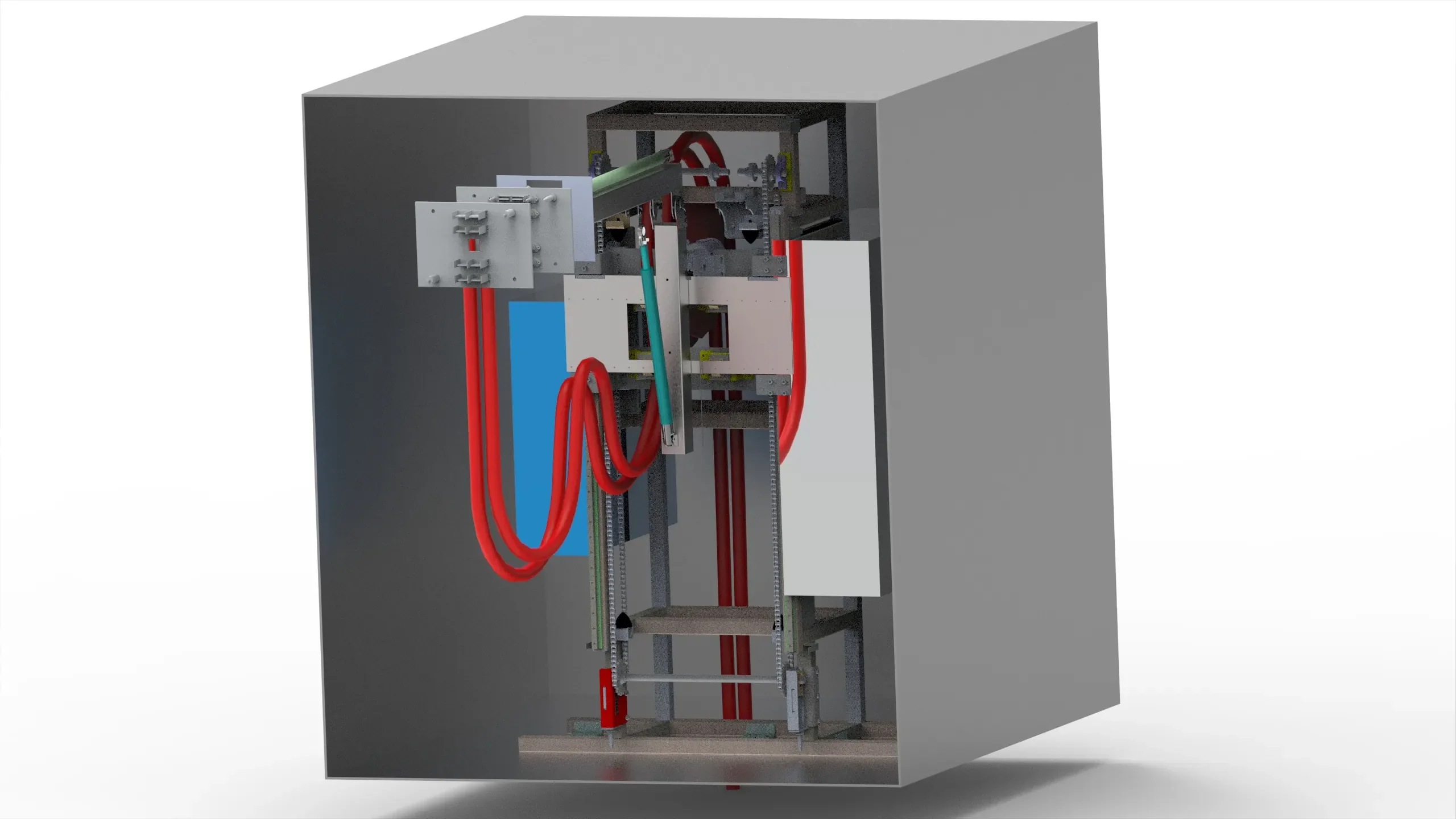
REGBES autonomous charging interface — containerised unit internal render showing robotic arm, cable management, and power electronics
Integrated hardware and control in one unit

The REGBES autonomous charging interface combines a motorised cable reel, robotic arm, image-processing camera system, and shore power control electronics in a single integrated unit. The system can be connected directly to a shore power cabinet or grid interface — a separate CMS is not required.

Image-processing alignment
Real-time camera system guides robotic arm to vessel connection point — compensates for vessel movement, tide, and position variation.
Motorised cable reel
Integrated reel handles deployment and retrieval of shore power cables — no manual cable handling at any stage.
Shore power control electronics
Integrated cabinet with power management and control systems. Direct grid connection — compatible with existing port infrastructure.
Applications
Built for electric vessels on tight schedules

The autonomous interface is most valuable where turnaround time is short, cycle frequency is high, and manual handling becomes a bottleneck.

E-ferries

High-frequency routes with short turnaround windows — 5 to 15 minutes at berth. Every departure cycle requires a reliable connection. Automation eliminates the manual bottleneck entirely.

Primary application
🚢
Electric tugs

Tugs operate continuously across a port — multiple berthing cycles per shift. Automated connection reduces crew workload and ensures the battery is topped up between jobs.

Primary application
🔋
Other electric vessels

Any full-electric vessel with a high cycle frequency and limited berth time benefits from automated connection — harbour craft, patrol vessels, and electric workboats.

Applicable
Installation
What's needed at the berth

The autonomous interface is designed to integrate with existing port infrastructure. A separate cable management system is not required — the unit connects directly to your shore power supply or grid interface.

01
Shore power supply or grid connection
The interface connects directly to an existing shore power cabinet or grid interface unit. REGBES can supply the complete shore power cabinet if required.
02
Vessel-side connection point
The vessel requires a compatible shore power inlet at a fixed, accessible location on the hull. REGBES works with vessel operators to confirm compatibility before installation.
03
Berth mounting position
The interface is mounted at quayside at a fixed position relative to the berth. REGBES engineering team handles the installation survey, positioning, and commissioning.
Demo application
See the autonomous connection in operation

The Smart Power Booster project — backed by Rotterdam Municipality — demonstrates the automated shore-to-ship connection in a live port environment. The demo shows the full connection cycle without manual operator intervention.

Watch demo video ↗

Opens on YouTube · Smart Power Booster — Rotterdam Municipality

Optional add-on
Shore power supply — two installation formats

The autonomous charging interface connects to your existing shore power supply — or REGBES can supply the grid interface unit as part of the installation. Two formats are available depending on your berth layout and infrastructure requirements.

Quayside tower

A fixed pedestal-mounted shore power cabinet installed at the berth. Integrates directly with the autonomous charging interface on the same structure. Suited to permanent berth installations where quayside space allows a dedicated tower unit.

Typical for
Ferry terminals · Dedicated electric vessel berths · New-build OPS installations
Containerised unit

A self-contained shore power unit housed in a standard container format. Rapidly deployable — can be positioned at any berth with a grid connection, without permanent civil works. Suited to ports requiring flexibility or phased OPS rollout.

Typical for
Retrofit installations · Flexible berth coverage · Ports phasing OPS rollout

Both formats use the internal cabinet render (IEC 80005-1 compliant power electronics) — IEC 80005-1 compliant power electronics, compatible with existing port grid connections. REGBES can supply as part of a complete installation or integrate with your existing shore power supply.

See the autonomous interface in action

Book a technical demo with the REGBES engineering team — we'll walk you through the system, discuss your berth layout, and answer your integration questions.

Book a technical demo Request a datasheet